
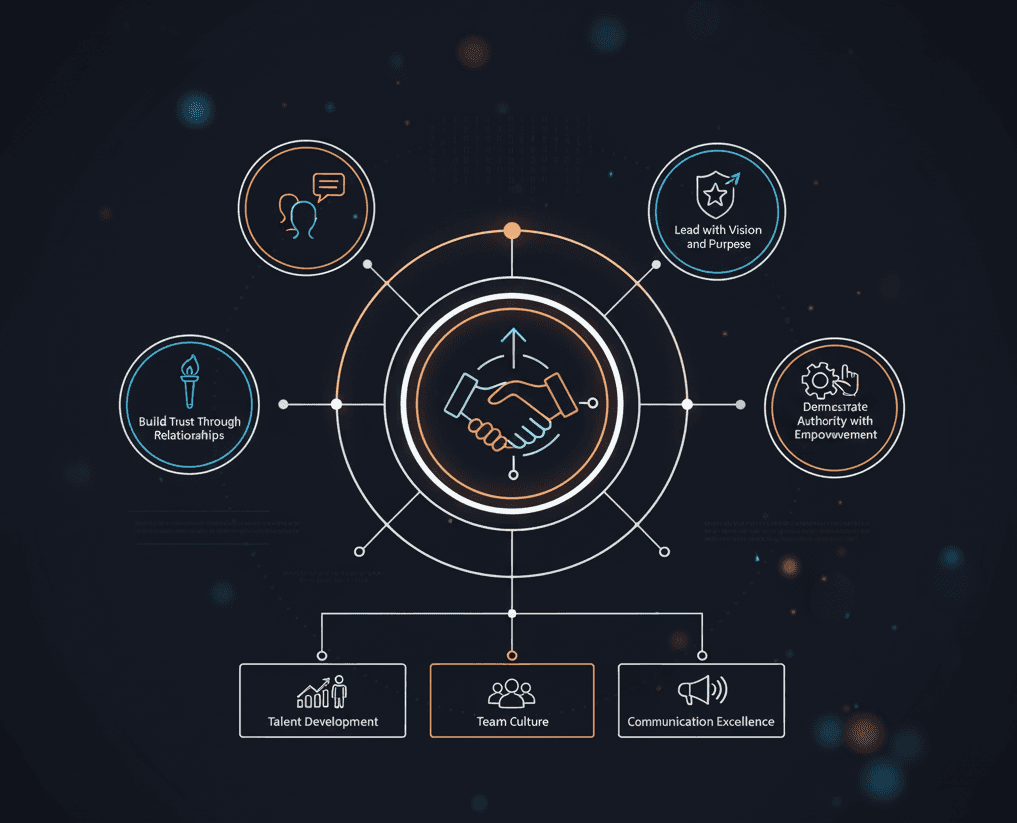
The New Reality: Remote and hybrid work models have become standard across MENA markets. Businesses that master remote team management gain access to broader talent pools and achieve better work-life balance for employees.
Through my consulting work with businesses across Lebanon and the Middle East, I've developed frameworks for managing remote teams that respect cultural dynamics while achieving high performance.
Remote Team Management Challenges in MENA
Managing remote teams in Middle Eastern markets presents unique considerations:
- Cultural dynamics: Relationship-building is important in MENA business culture
- Time zone coordination: Teams spanning multiple countries
- Communication preferences: Balancing digital and personal interaction
- Technology infrastructure: Varying levels of digital readiness
- Language diversity: Multilingual teams requiring clear communication
Building Remote Team Culture
Regular Communication
Maintaining connection through:
- Daily stand-up meetings for alignment
- Weekly team meetings for relationship building
- One-on-one check-ins for individual support
- Virtual team building activities
Clear Expectations and Goals
Remote teams need clarity:
- Well-defined roles and responsibilities
- Clear performance metrics and goals
- Transparent communication protocols
- Documented processes and procedures
Technology and Tools
Essential tools for remote team management:
- Video conferencing for face-to-face interaction
- Project management platforms for coordination
- Instant messaging for quick communication
- Document collaboration tools
- Time tracking and productivity tools
Performance Management
Managing remote team performance requires:
- Outcome-based metrics rather than activity tracking
- Regular performance reviews and feedback
- Goal setting and progress monitoring
- Recognition and reward systems
"Remote team management in MENA markets requires balancing technology-enabled efficiency with relationship-building that respects regional business culture."
Conclusion
Effective remote team management in MENA markets requires clear communication, strong culture, appropriate technology, and performance management systems. By building these capabilities, businesses can create high-performing distributed teams that leverage regional talent while maintaining productivity and engagement.