
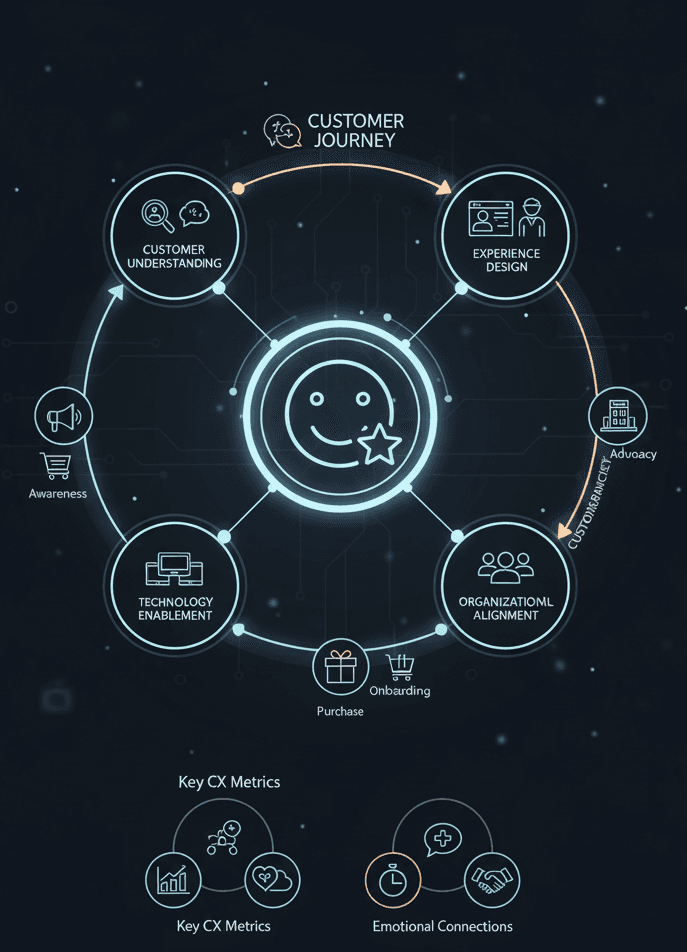
The Reality: Acquiring new customers in MENA markets costs 5-7 times more than retaining existing ones. Yet many businesses focus disproportionately on acquisition while neglecting retention strategies.
Through my consulting work with businesses across Lebanon and the Middle East, I've helped organizations increase customer retention rates by 40-60% through systematic retention strategies. This guide shares those proven approaches.
Why Customer Retention Matters in MENA Markets
Customer retention delivers multiple benefits:
- Lower acquisition costs: Retained customers require minimal marketing investment
- Higher lifetime value: Loyal customers purchase more frequently and in larger amounts
- Referral generation: Satisfied customers become brand advocates
- Predictable revenue: Retained customers provide stable revenue streams
- Competitive advantage: High retention creates switching barriers for competitors
The Customer Retention Framework
Pillar 1: Exceptional Customer Experience
Retention begins with delivering experiences that exceed expectations:
- Consistent quality across all customer touchpoints
- Personalized interactions recognizing individual customer preferences
- Responsive customer service addressing issues quickly and effectively
- Proactive communication keeping customers informed and engaged
- Cultural sensitivity in service delivery respecting local preferences
Pillar 2: Relationship Building
In MENA markets, relationships drive retention. Build relationships through:
- Regular personal contact beyond transactional interactions
- Remembering customer preferences and personal details
- Celebrating milestones and special occasions
- Providing value-added services and insights
- Creating community around your brand
Pillar 3: Value Creation Beyond Products
Retention requires delivering value beyond core products or services:
- Educational content helping customers achieve their goals
- Exclusive access to new products, services, or information
- Networking opportunities connecting customers with each other
- Industry insights and thought leadership
- Partnerships providing additional value to customers
Pillar 4: Loyalty Programs and Incentives
Well-designed loyalty programs increase retention:
- Points-based systems rewarding repeat purchases
- Tiered programs providing increasing benefits for higher engagement
- Exclusive offers and early access for loyal customers
- Referral rewards encouraging customer advocacy
- Personalized rewards based on individual preferences
Retention Strategies by Customer Lifecycle Stage
New Customers (0-3 months)
- Onboarding programs ensuring successful first experiences
- Welcome communications and orientation
- Early support and check-ins addressing questions
- Quick wins demonstrating value
Active Customers (3-12 months)
- Regular engagement maintaining relationship momentum
- Upsell and cross-sell opportunities expanding value
- Feedback collection and implementation
- Community participation and brand advocacy
At-Risk Customers (declining engagement)
- Early warning systems identifying engagement decline
- Proactive outreach understanding concerns
- Win-back campaigns with special offers
- Personal attention from senior team members
Measuring Customer Retention
Key retention metrics include:
- Retention rate: Percentage of customers retained over time periods
- Churn rate: Percentage of customers lost
- Customer lifetime value: Total revenue from customer relationships
- Repeat purchase rate: Frequency of customer transactions
- Net Promoter Score: Customer advocacy and satisfaction
"Customer retention in MENA markets isn't about programs or points—it's about building genuine relationships that create value for customers while driving sustainable business growth."
Conclusion
Customer retention strategy in MENA markets requires focusing on exceptional experiences, relationship building, value creation, and systematic loyalty programs. By understanding customer lifecycle stages and measuring retention effectively, businesses can build loyal customer bases that drive sustainable growth.
The organizations achieving highest retention rates combine the relationship-building strengths of MENA business culture with systematic retention processes, creating competitive advantages that reduce acquisition costs while increasing customer lifetime value.